How Fast Can an Emergency Dentist Treat a Tooth Abscess?


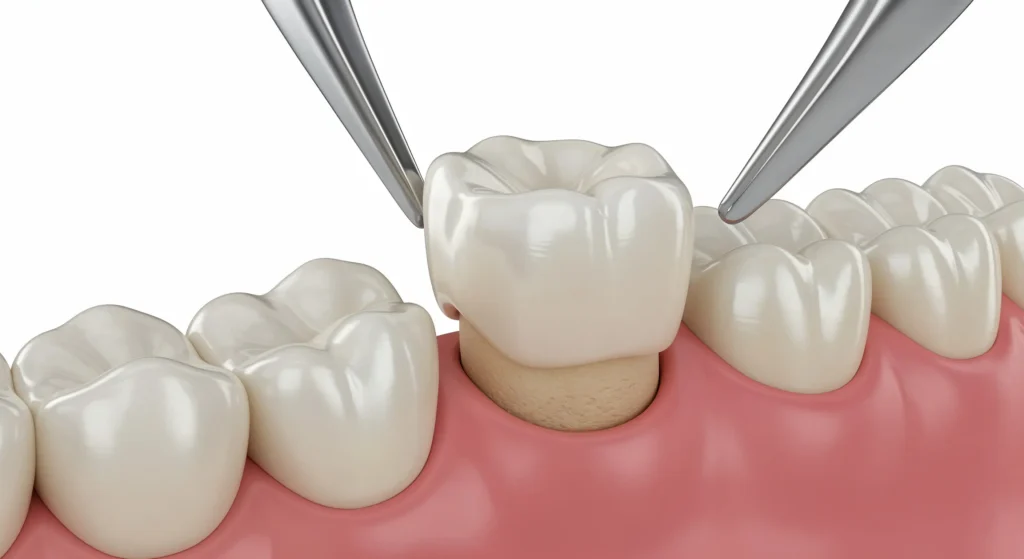
A tooth abscess rarely waits for a convenient time. It tends to flare at night, before a trip, during a workweek packed with meetings, or on a holiday weekend when every ache feels louder. When the pain shifts from a dull throb to pressure, swelling, or a taste of drainage, most people ask the same question: how quickly can this be treated?
The short answer is that an Emergency Dentist can often start treatment the same day, and in many cases provide meaningful pain relief within hours of the visit. The fuller answer depends on what kind of abscess you have, how far the infection has spread, whether the tooth can be saved, and whether swelling has made local anesthesia or drainage more complicated.
Speed matters with a dental abscess, but not just for comfort. A tooth abscess is an infection, and infections in the mouth do not always stay put. Some remain localized and manageable. Others move into the surrounding gum, jaw, or facial spaces. That is why timing is less about convenience and more about controlling risk.
What a tooth abscess actually is
A tooth abscess is a pocket of infection, usually caused by bacteria entering a part of the tooth or gum where they do not belong. In practice, dentists typically see two broad patterns. One starts inside the tooth, often because deep decay, a crack, or trauma has reached the pulp where the nerve and blood supply live. The other begins in the supporting gum tissues, often related to gum disease or a trapped area where bacteria have multiplied below the gumline.
To patients, the distinction may not seem important. Both can hurt, both can swell, and both can disrupt sleep, eating, and concentration. Clinically, it matters because the source of the infection shapes the treatment. A tooth with a dead or dying nerve may need root canal therapy or extraction. A gum-based abscess may require drainage, cleaning below the gumline, or additional periodontal care.
Abscess pain also behaves in a way that catches people off guard. It can feel explosive one day and oddly muted the next if pressure drains through the gum. That temporary drop in pain does not mean the infection is gone. It often means the path of pressure changed.
How fast treatment can begin
If you can get into an emergency dental office the same day, the first stage of treatment usually begins immediately at that visit. In straightforward cases, the urgent part happens in under an hour. That does not always mean the entire problem is permanently resolved in one sitting, but it often means the infection is controlled, pressure is reduced, and a clear plan is in place.
When people ask, “Can you fix it today?” the honest answer is often, “We can usually do something important today.” That “something” may be enough to turn an unbearable problem into a manageable one by the end of the appointment.
An Emergency Dentist may do several things very quickly once the diagnosis is confirmed. They may numb the area, open and drain the abscess if it is accessible, start root canal treatment if the tooth is restorable, prescribe antibiotics when the infection has spread or there is significant swelling, or remove the tooth if it cannot be saved and the conditions are right for extraction that day.
The fastest relief typically comes from reducing pressure. That is why drainage, when possible, often changes the pain picture more dramatically than medication alone. Antibiotics can help, especially if there is diffuse swelling, fever, or involvement beyond the immediate tooth. But antibiotics do not remove the source of infection inside a tooth. They support treatment, they do not replace it.
What happens during the emergency visit
The first appointment is usually focused and practical. Dentists are not guessing based on pain alone. They need to determine where the infection starts, whether it is draining, how severe the swelling is, and whether the tooth is salvageable.
A typical emergency assessment includes a conversation about symptoms, an exam of the tooth and surrounding tissues, and dental X-rays. Sometimes the swelling is obvious. Sometimes the tooth looks fairly ordinary, but the X-ray shows infection around the root tip or deep decay close to the nerve. Temperature sensitivity, pain on biting, gum tenderness, and the pattern of swelling all help narrow the diagnosis.
From there, treatment choices move fast. If the tooth is the source and can be saved, the dentist may start endodontic treatment by opening the tooth, removing infected material from inside, disinfecting the canal space, and placing a temporary filling. Even that first stage often reduces the intense pressure that keeps patients awake.
If the abscess is fluctuant, meaning there is a soft collection of pus that can be reached safely, the dentist may incise and drain it. Patients are often surprised by how much relief drainage can bring. Not every swelling can or should be drained in a routine office setting, though. Some are too deep, too diffuse, or too close to vulnerable structures.
If the tooth is fractured beyond repair, severely decayed below the gumline, or structurally hopeless, extraction may be the fastest definitive option. That said, extracting an acutely infected tooth is not always simple. Swelling can reduce the effectiveness of local anesthetic, and severe trismus, which is difficulty opening the mouth, can change the approach. A good emergency clinician balances speed with safety.
When treatment is genuinely immediate, and when it is staged
One of the most useful things for patients to understand is the difference between urgent treatment and final treatment. They are not always the same visit.
Urgent treatment aims to stop the situation from worsening and reduce pain. Final treatment aims to eliminate the source of infection and restore function. Sometimes these happen together. Sometimes they are staged over days or weeks.
For example, a single-rooted tooth with a clear abscess and straightforward anatomy may be opened, drained internally, medicated, and stabilized quickly. A molar with complicated canals, heavy swelling, and limited numbness may need an emergency opening and medication first, then a longer root canal visit once the acute inflammation settles down.
The same idea applies to extraction. If the infection is severe, the mouth opening is restricted, or the swelling tracks into deeper tissues, the immediate goal may be to manage the infection, improve comfort, and refer or schedule the extraction under better conditions.
That distinction matters because patients often judge success by whether the tooth was “finished” on day one. In emergency care, success may instead mean the danger signs are addressed, the pain is brought under control, and the next step is timed appropriately.
How quickly pain improves
Pain relief varies, but many patients notice some improvement the same day once pressure is relieved and the source is addressed. If drainage is achieved or the tooth is opened during root canal access, the change can be dramatic within hours. If antibiotics are prescribed because the swelling is spreading, improvement usually takes longer. It is common for antibiotics to need 24 to 72 hours before patients notice a clear turning point.
That gap is frustrating, especially for someone who has already had several bad nights. It helps to know that the medication is not a switch that turns pain off. It is part of a wider plan. If the source has not been treated, the infection often smolders and then flares again.
Local anesthetic can also be less predictable in hot teeth, which is a phrase dentists use for teeth with active inflammation that resist numbness. Experienced clinicians work around this with supplemental techniques, but severe infections can still be difficult. That does not mean the dentist is moving too slowly. It means biology is setting the pace.
The factors that affect treatment speed
The timeline is not the same for every abscess. A small localized infection around a single tooth in an otherwise healthy patient is very different from facial swelling in someone who has been trying to manage symptoms at home for a week.
Several factors can slow or complicate treatment:
-
The location of the infection. A superficial gum abscess may be easier to drain than a deep infection near the root tip or within facial spaces.
-
The condition of the tooth. A tooth that can be saved is approached differently from one with a vertical fracture or severe structural loss.
-
The degree of swelling. Significant inflammation can make anesthesia less effective and the tissues harder to manage.
-
Your general health. Diabetes, immunosuppression, pregnancy, certain medications, and a history of complicated infections can influence the plan.
-
Access to follow-up care. Emergency treatment works best when it leads into definitive care, not when it becomes a one-off patch.
These are not technical footnotes. They shape what can be done safely in one visit.
When antibiotics are used, and when they are not enough
Many patients arrive expecting antibiotics to be the main fix. Sometimes they are necessary. Sometimes they are not the primary answer. A localized abscess with a clear drainable source may improve most from local treatment, such as drainage, root canal access, or extraction. Antibiotics become more important when there is facial swelling, fever, swollen lymph nodes, spreading infection, or higher medical risk.
That difference matters because overreliance on antibiotics delays proper care. I have seen patients push through a weekend with leftover antibiotics from an old prescription, only to arrive on Monday with larger swelling and worse pain. The medication may blunt symptoms for a while, but a dead infected pulp does not recover because a few tablets were taken.
An Emergency Dentist will decide whether antibiotics are indicated based on the exam, not just the pain score. Severe toothache alone does not always mean antibiotics are needed. A spreading infection often does.
Signs you should not wait for a routine appointment
Not every abscess needs a hospital, but some situations should be treated with urgency far beyond “I’ll call when I have time.” Rapidly increasing swelling, fever, chills, trouble swallowing, trouble breathing, drooling, and difficulty opening the mouth are all warning signs. Swelling under the jaw, around the eye, or into the neck is especially concerning.
Here is a practical rule of thumb for getting help fast:
- If the pain is intense but the swelling is limited, call an emergency dental office the same day.
- If swelling is spreading across the face or into the jawline, seek emergency dental care immediately and be prepared for medical referral.
- If you have trouble breathing or swallowing, go to an emergency department without delay.
- If you feel generally unwell, feverish, or weak along with dental swelling, treat it as urgent.
- If you are immunocompromised or have uncontrolled diabetes, do not wait to “see if it settles.”
These situations are not common in every case, but they are important enough to act on.
What same-day treatment can look like in real life
Most dental abscesses do not follow a tidy script, which is why patient expectations matter. Consider three common scenarios.
A patient with a large cavity in a back tooth wakes with sharp throbbing pain and slight cheek swelling. The Emergency Dentist takes an X-ray, confirms an abscess at the root tip, numbs the tooth, opens it to release pressure, cleans the initial canal space, and places a temporary dressing. The patient leaves sore but markedly better than they arrived, with a follow-up for definitive root canal therapy. That is a same-day intervention with fast relief.
A different patient comes in with a cracked molar and a gum boil that has been draining on and off for weeks. The crack runs too deep to save the tooth. Because the anatomy is favorable and swelling is still localized, the tooth is extracted that day. Once the source is removed, the infection usually settles more quickly. That is same-day definitive treatment.
A third patient has visible swelling from the lower jaw toward the neck, limited mouth opening, and a fever. In that case, the office may begin initial management, prescribe antibiotics if appropriate, and arrange immediate transfer or referral because the infection may need a higher level of care. That is still fast treatment, but not all of it happens in one dental chair.
Why delays make treatment slower
Abscesses almost never reward procrastination. The earlier a dentist sees the problem, the more likely it is that treatment stays simple. Once swelling spreads, once sleep has been poor for several nights, once over-the-counter pain relief stops working, the appointment tends to become more complex.
There is also a practical point people often miss. A tooth that might have been saved with root canal treatment on Tuesday may become a worse candidate by Friday if the tooth fractures further, the decay advances, or the surrounding tissues deteriorate. Speed is not just about infection control. It can change your options.
Pain changes behavior, too. Patients who are exhausted often clench more, eat less, and become dehydrated. All of that makes recovery feel harder. The sooner the infection is stabilized, the easier the body usually bounces back.
What you can do before you are seen
Home care does not cure an abscess, but it can reduce misery while you arrange treatment. Gentle warm saltwater rinses may soothe the area and encourage minor drainage from the gum if a pathway already exists. Over-the-counter pain relievers, taken according to label instructions or your clinician’s advice, often help more when used on schedule than when taken reactively after pain peaks. Avoid placing aspirin directly on the gum, which can burn the tissue. Avoid pressing on the swelling, and avoid assuming a burst gum boil means the problem resolved.
If you call an emergency office, be specific. Say where the swelling is, whether you have a fever, whether you can swallow normally, and whether the pain wakes you from sleep. Those details help staff gauge how quickly you need to be seen.
Recovery after the emergency visit
Even when treatment goes well, the area may remain tender for a few days. That is normal. Tissues that were under pressure and inflamed do not snap back instantly. If the dentist started root canal treatment, the tooth may feel bruised when biting until the infection settles and the final treatment is completed. If the tooth was extracted, the surrounding gum and bone need time to calm down.
Patients should expect gradual improvement, not necessarily perfect comfort by bedtime. What you want to see is a trend in the right direction: less pressure, easier sleep, reduced swelling, and less need for pain medication over the next day or two. If swelling worsens, fever develops, or pain accelerates despite treatment, the office should hear about it promptly.
A short aftercare checklist is useful here:
- Take any prescribed medication exactly as directed, and finish antibiotics if they were prescribed.
- Keep follow-up appointments, especially for root canal completion or review of healing.
- Stick to softer foods on the treated side for a day or two if chewing hurts.
- Use cold packs on the face early if advised, especially after extraction.
- Contact the dentist if swelling spreads, fever appears, or swallowing becomes difficult.
The emergency visit handles the crisis. The https://eduardoibim934.fotosdefrases.com/emergency-dentist-advice-for-post-procedure-pain-that-feels-abnormal follow-up prevents a repeat of the same crisis.
The question behind the question
When patients ask how fast an Emergency Dentist can treat a tooth abscess, they are usually asking two things at once. First, how soon can someone stop this pain? Second, how worried should I be if I wait?
For most people, the answer is reassuring on the first point and firm on the second. Relief can often begin the same day, sometimes within the appointment itself. But waiting is a gamble that gets worse with time. A dental abscess is one of those problems that tends to become more expensive, more painful, and more medically significant the longer it is allowed to develop.
If you suspect an abscess, treat the timeline seriously. Same-day care is often enough to turn a miserable day around, and in some cases it prevents a small infection from becoming a far bigger problem.
Simple Dental Vermont
Address: 8914 S Vermont Ave, Los Angeles, CA 90044
Phone number: +13239493000
FAQ About Emergency Dentist Los Angeles CA
What can the ER do for a tooth?
The emergency room can provide temporary symptom relief for a bad tooth, such as prescribing pain medicine or antibiotics, but it cannot fix the actual dental problem.
What is the 3-3-3 rule for tooth infection?
The 3-3-3 rule for a toothache or infection typically means taking three 200 mg ibuprofen tablets (600 mg total) three times a day for no more than three days to control pain and swelling while waiting to see a dentist.
What do you do if you have a dental emergency but no dentist?
If you have a dental emergency and no regular dentist, you should search for an urgent care dental clinic, call local walk-in dental offices, or go to a hospital emergency room if you have severe bleeding, swelling, or trouble breathing.